Sabzi Khordan: How to Make the Persian Fresh Herb Platter
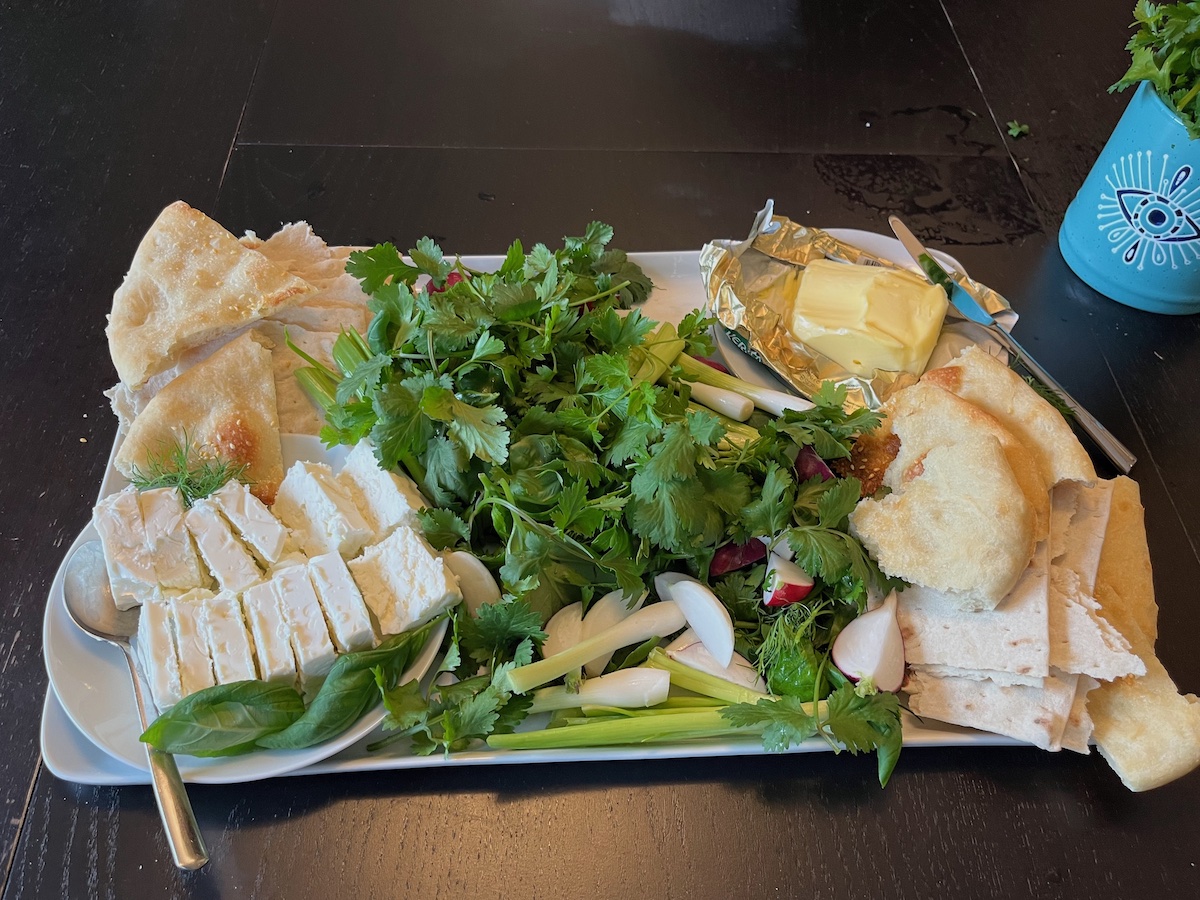
If you’ve ever been to a Persian meal, chances are you’ve been greeted with a platter of fresh herbs and accompaniments called sabzi khordan. This beautiful spread is more than just a side dish—it’s a cornerstone of Persian hospitality, a customizable starter, and one of my favorite ways to bring people together around the table.
What is Sabzi Khordan?
Sabzi khordan literally means “eaten greens.” At its core, it’s a simple yet abundant platter of fresh herbs—like mint, tarragon, basil, parsley, cilantro, dill, or a combination of all of them—served alongside lavash or flatbread, a little feta cheese, and often butter. But the beauty of sabzi khordan is its flexibility: you can make it as simple or as elaborate as you like, depending on what’s fresh and available.
A Snack, Side, or Light Meal
Sabzi khordan is endlessly versatile. It can be:
- A light meal on its own, especially with bread and cheese
- A snack to enjoy with tea or before dinner
- A side dish that complements heavier Persian stews and rice dishes
In my cooking classes, I love starting with sabzi khordan. It’s interactive and fun—everyone can build their own little bites according to what they like. It sets a welcoming tone, gets people nibbling right away, and sparks conversation around the table.
How to Make It Extra Special
While a basic platter of herbs, bread, and cheese is wonderful on its own, here are a few ways to elevate your sabzi khordan:
- 🌿 Mix up the herbs: Include a variety for color, aroma, and flavor contrast. Mint for freshness, tarragon for licorice notes, and basil for sweetness.
- 🧅 Add scallions and radishes: Their crunch and peppery bite add balance.
- 🧀 Feta cheese & butter: Creamy, salty, and irresistible when paired with herbs and bread.
- 🌰 Soaked nuts: Walnuts and almonds, soaked briefly in water, become plump and tender—an old-fashioned but delicious touch.
- 🍞 Flatbread or lavash: Use fresh bread to wrap everything into perfect little bites.
What to Serve It With
Certain dishes benefit from the balance that Sabzi Khordan brings. Pair it with these rich recipes for a pop of freshness and brightness.
- Lubia Polo | Beef and Green Bean Layered Rice
- Vegan Chickpea and Potato Gheymeh Stew
- Persian Jeweled Rice
- Braised Chicken with Onions and Tomato Sauce
Why I Love It
Sabzi khordan isn’t just food—it’s an experience. Each guest makes their own bite, choosing the herbs and extras that speak to them. It’s casual, communal, and endlessly adaptable. Whether you serve it at the beginning of a Persian feast, as a healthy snack board, or as a light meal on a warm day, sabzi khordan is a reminder that sometimes the simplest foods bring the most joy.
So the next time you’re planning a meal or gathering, try putting together a sabzi khordan platter. It’s fresh, fun, and full of flavor—and it just might become your new favorite way to eat herbs.
Sabzi Khordan | Persian Herb Platter
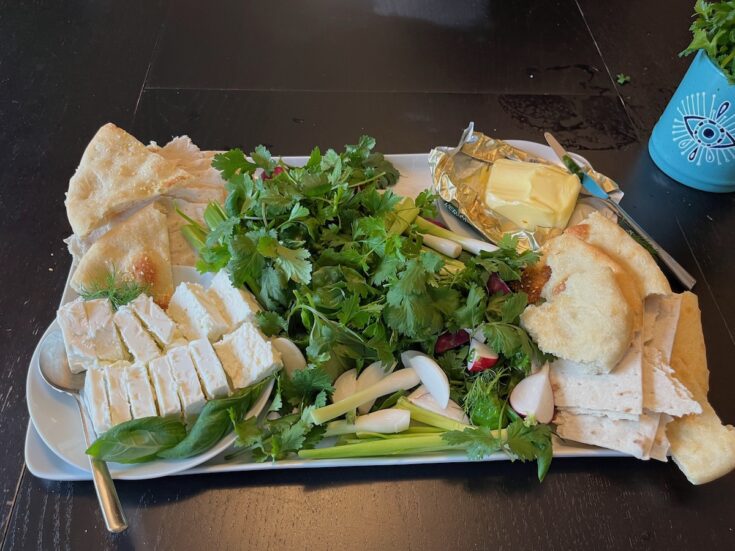
Learn how to make sabzi khordan, the Persian fresh herb platter. A customizable, healthy, and interactive side dish with herbs, cheese, bread, and more.
Ingredients
- 2 cups fresh herbs (mint, basil, parsley, cilantro, tarragon, dill or a combination of all)
- 6-8 scallions, trimmed
- 6 radishes, halved or quartered
- ½ cup feta cheese, cut into cubes or slices
- 4 Tbsp good-quality butter, sliced
- ½ cup walnuts or almonds, soaked in water for 1–2 hours, drained
- Lavash or flatbread, for serving
Instructions
1. Wash and dry herbs well, keeping stems intact for easy grabbing.
2. Arrange herbs, scallions, and radishes on a large platter.
3. Add feta, butter, and soaked nuts around the herbs.
4. Serve with lavash or flatbread. Guests can make their own little bites by wrapping herbs, cheese, and extras in bread.
Notes
- Use whatever fresh herbs are available—sabzi khordan is completely customizable.
- Make it festive by using a variety of herbs and colorful veggies.
- Serve as a starter for a Persian meal, a healthy snack, or even a light lunch.